Founded in 2009, the Marine Megafauna Foundation (MMF) combines rigorous field science with public engagement to promote ocean health and build widespread support for marine protection in various parts of the world.
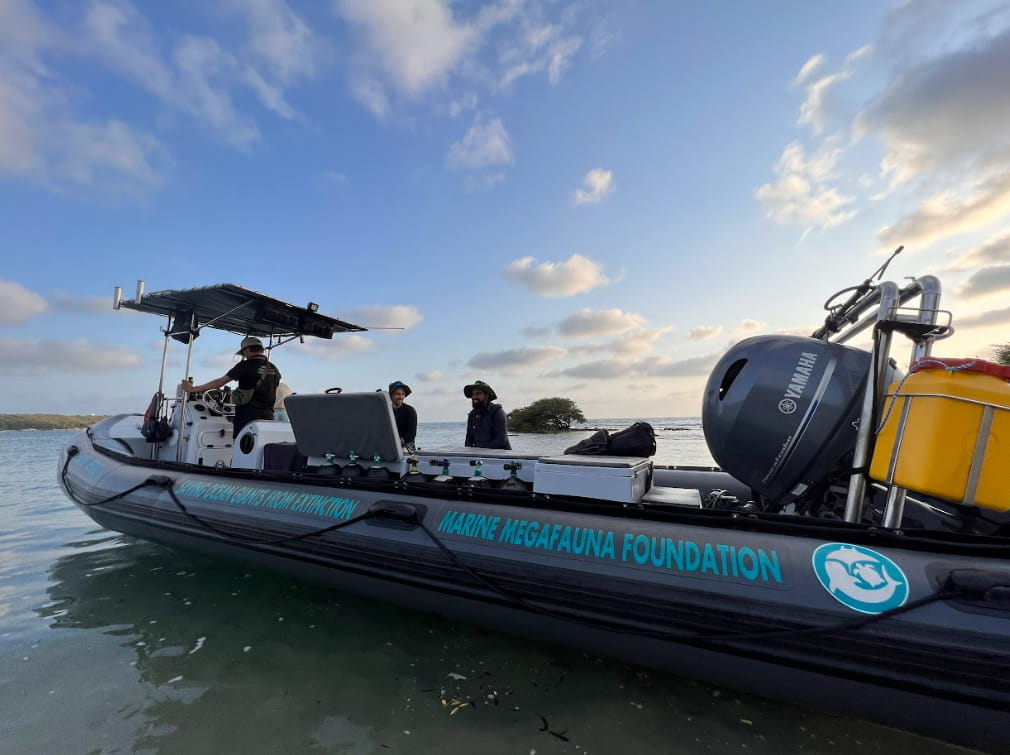
In the Bazaruto Archipelago, Mozambique, MMF works closely with local fishing communities and regional government to develop sustainable solutions that support ecosystems, livelihoods and marine megafauna. The organisation has built strong relationships with schools across the Inhambane province, where Habitat XR partners with MMF to deliver immersive work.
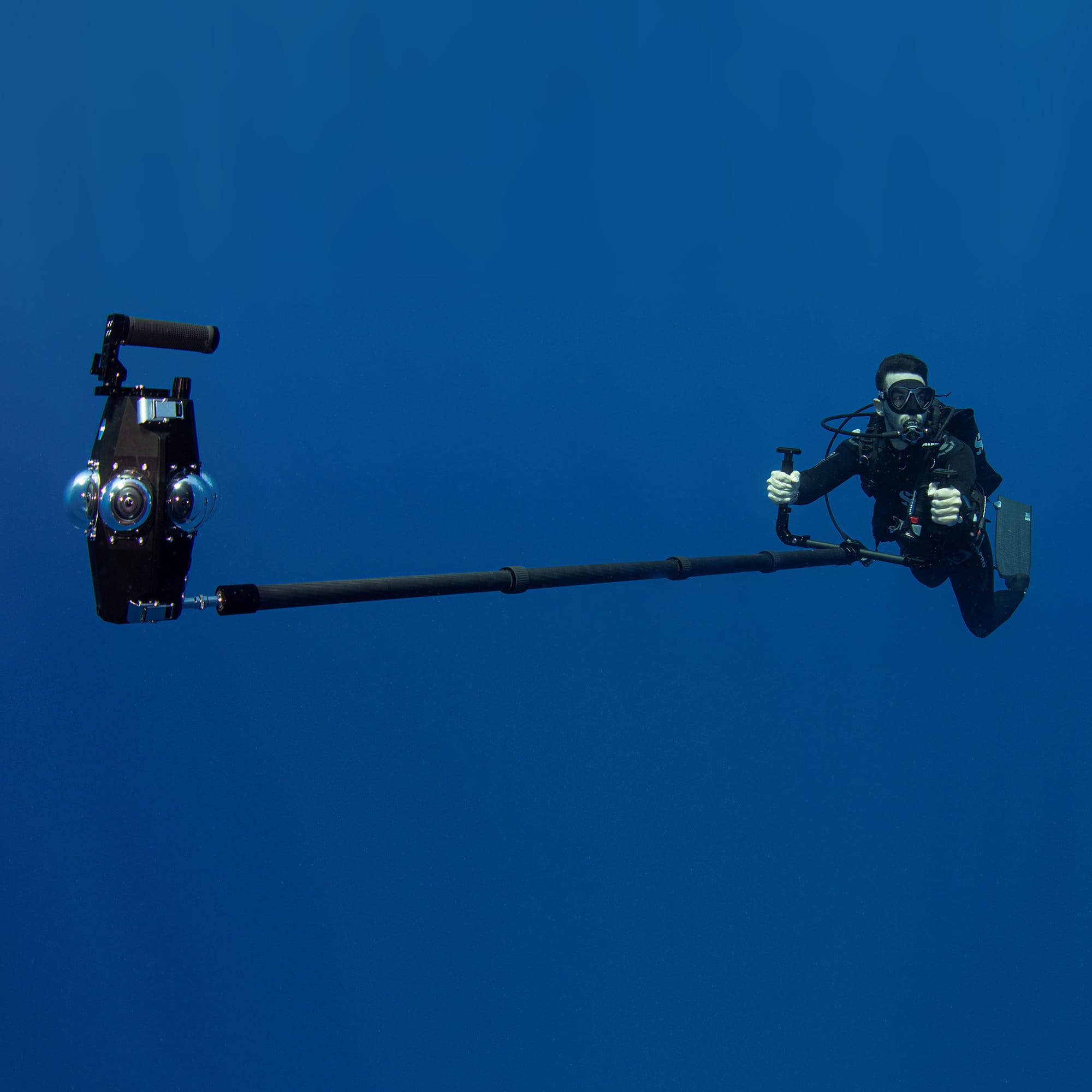
Oceans are among the least accessible ecosystems on Earth. Even for people who live alongside the coast and depend on it for their livelihoods, the underwater world remains largely unseen – hidden beneath the surface, beyond the reach of daily experience.
In the Bazaruto Archipelago, many local fishing communities rely directly on the ocean for survival, yet have limited opportunity to observe marine life as it actually exists below the waterline. Physical proximity does not equate to understanding. Without visibility into the behaviours, scale, interconnectedness of marine species with human health, conservation can feel abstract.
The Marine Megafauna Foundation needed a way to reveal this invisible world to the people living closest to it. The challenge was to translate underwater science and field observation into experiences that could foster understanding and care – in deeply immersive, scalable and portable ways.
At the heart of this collaboration was a purpose-driven immersive film grounded in a true local story. We worked with a fisherman from the Bazaruto Archipelago whose life has been shaped by the sea – who lost his father to the ocean, once feared its depths, and only through learning to swim came to understand it. His narrative became the emotional spine of the film, allowing audiences to embody his journey: from fear and distance to curiosity and connection.
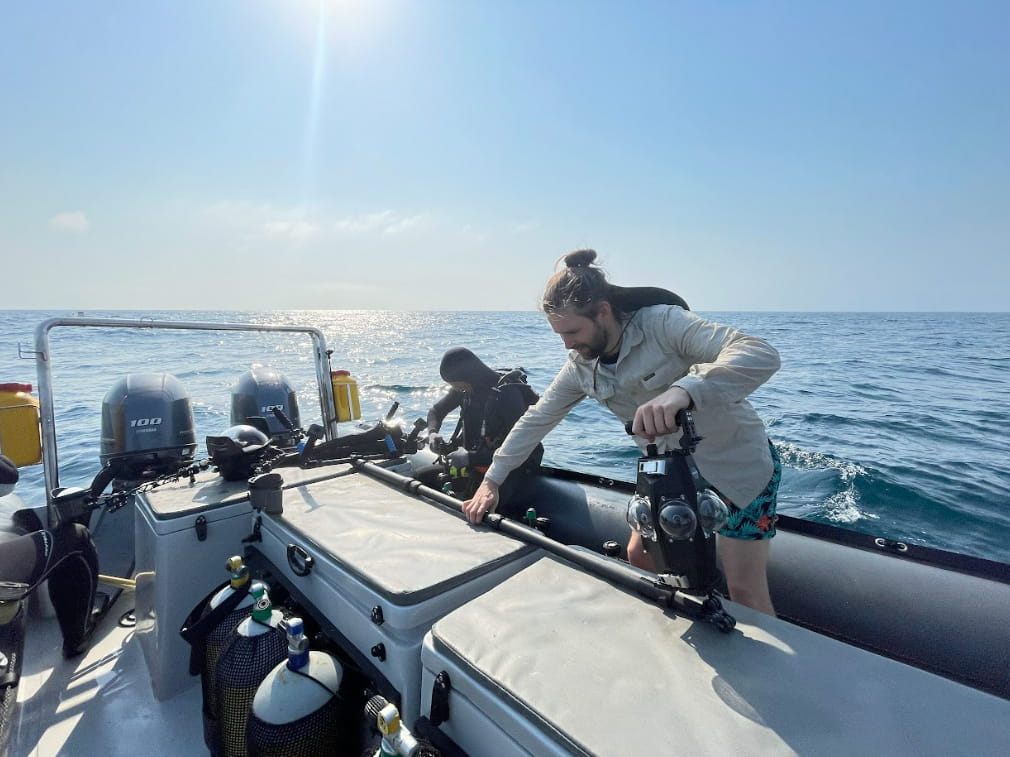
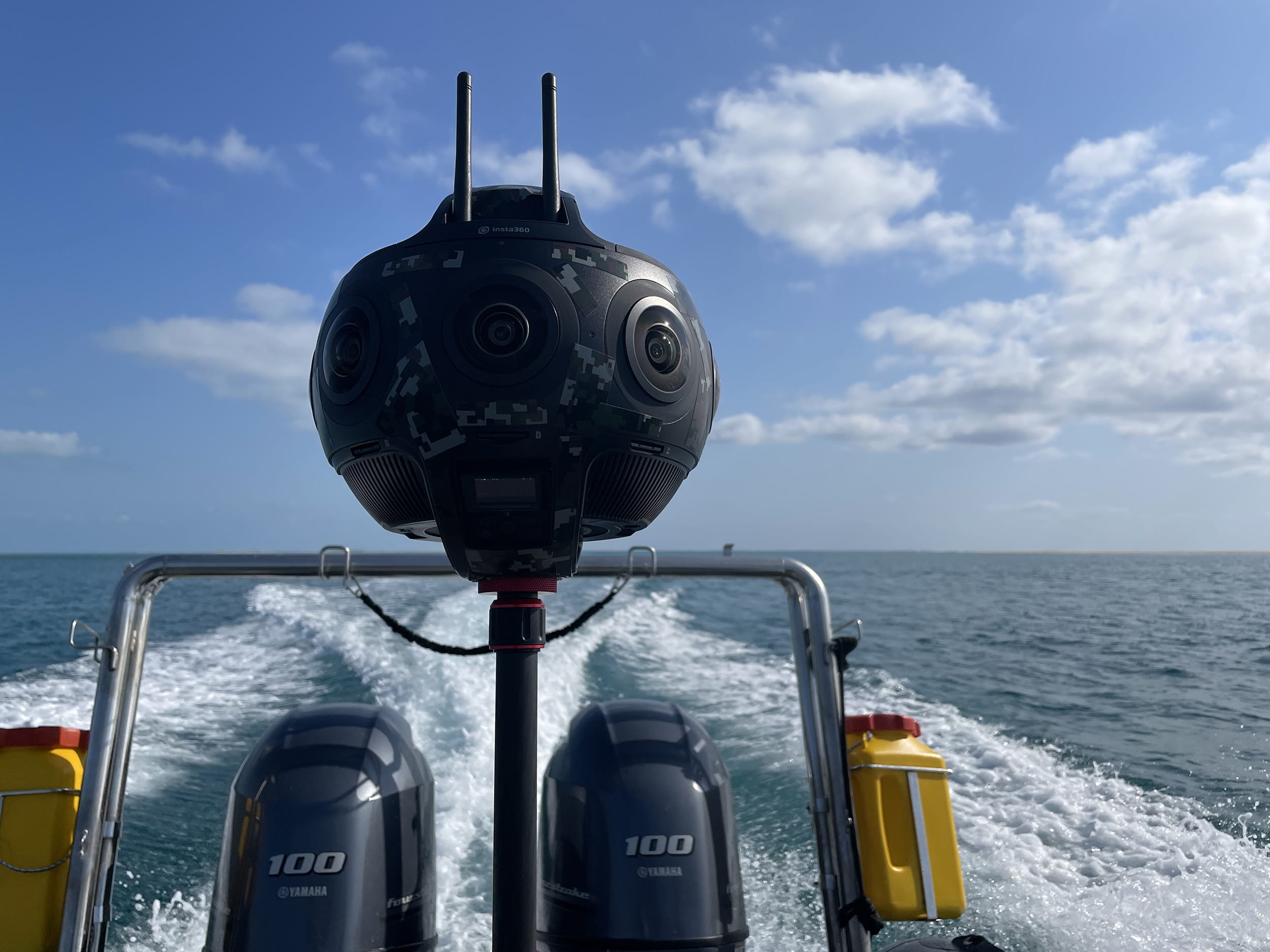
The film brings that story to life in stereoscopic 360° VR (also known as 360 video) – a rare format that combines full immersion with depth perception, making the underwater world feel tangible and present. Within the experience, viewers come into close proximity with the Indian Ocean’s iconic marine species, including whale sharks, reef mantas, wedgefish, dolphins and humpback whales, all while feeling anchored in the fisherman’s lived perspective.
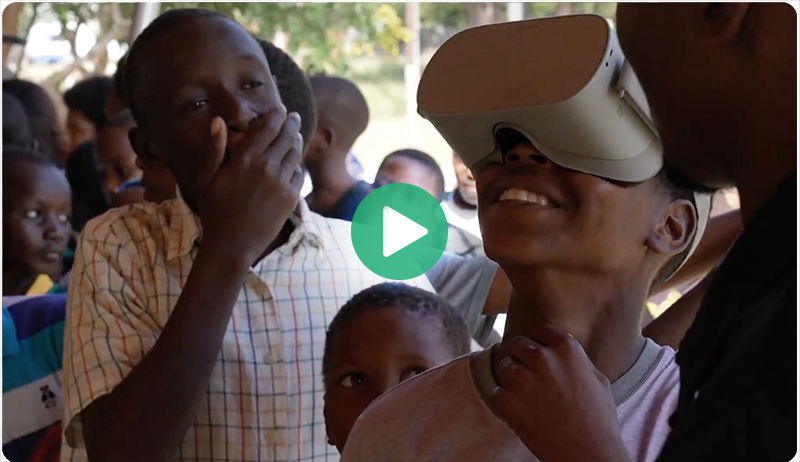
MMF invested in VR headsets and deployed dedicated teams along the entire Inhambane coastline – stretching along Mozambique’s long Indian Ocean margin – bringing the experience directly to coastal fishing communities.
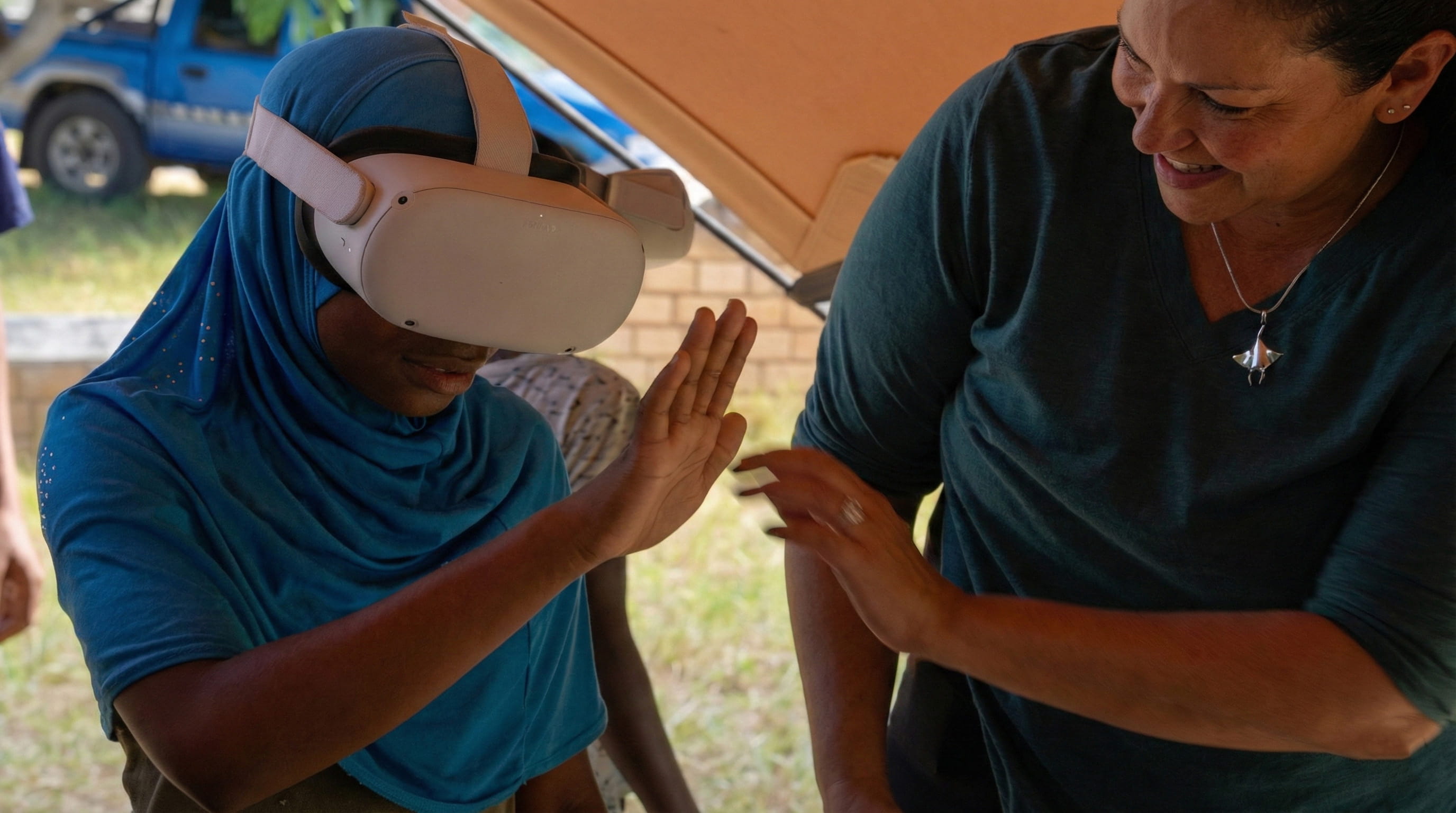
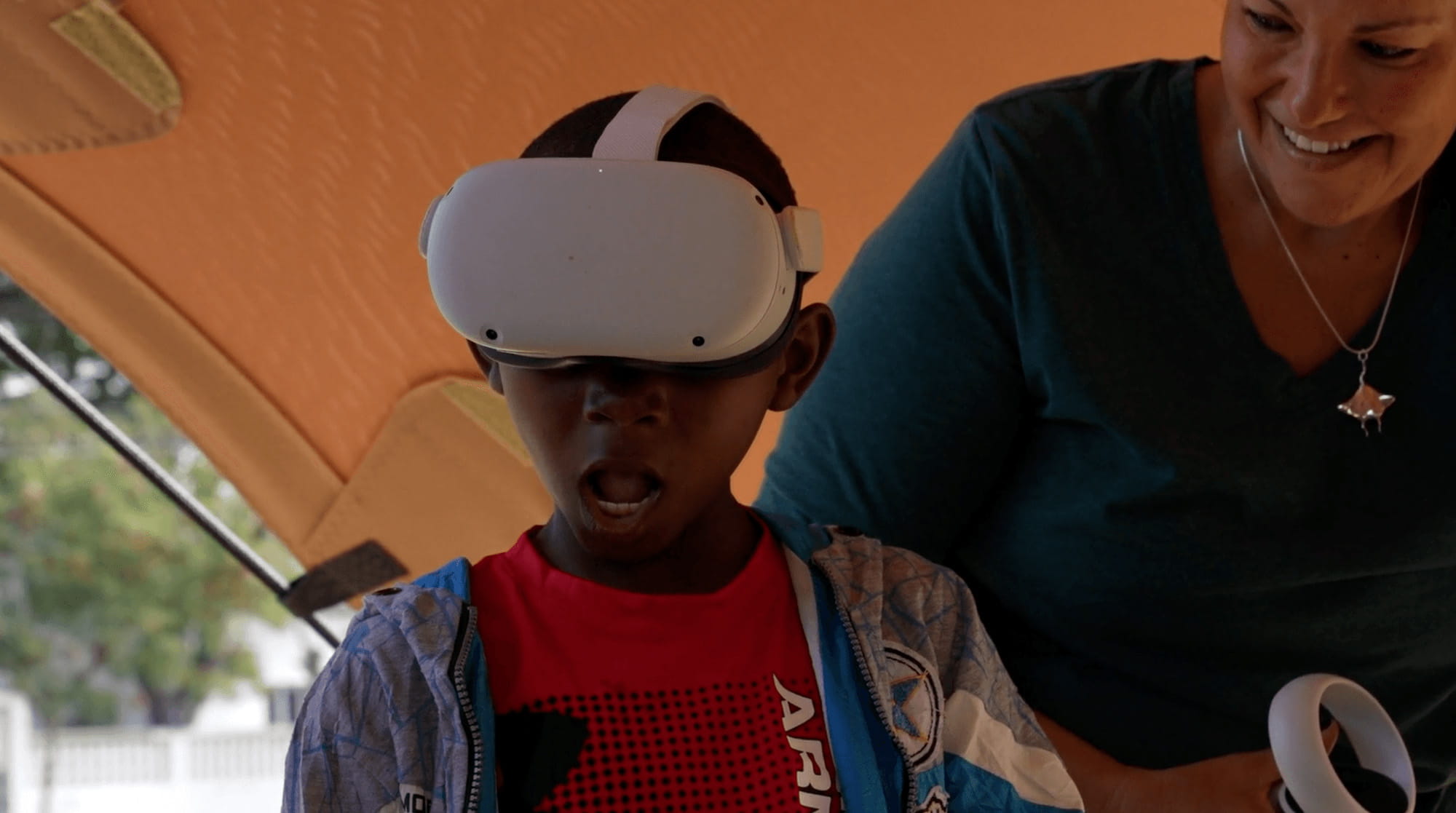
Thousands of children who had lived beside the sea all their lives were able to see beneath its surface for the first time, transforming an unseen world into something real and meaningful. Beyond being unforgettable, the experience strengthened pride in their own natural heritage and deepened understanding of why these species are worth protecting.
The immersive experience was also presented to local policymakers and decision-makers. By placing them virtually in the ocean environments they help govern – spaces they rarely, if ever, access in person – the film shifted perspectives on marine protection and informed discussions on legislation and conservation priorities in an oil-rich area.
"VR experiences make kids feel like they're actually there in the ocean, is just the number one way to be able to inspire them”